Research is the key
Every interactive platform is designed as a measurable intervention, grounded in psychological and clinical validation rather than entertainment alone.
AESIR Impact Report
Founders' Spotlight
AESIR's founders chose social impact over a conventional corporate path. For more than a decade, they have worked alongside special-education and elderly-care communities to understand the systems, routines, and barriers that shape everyday care.
The AESIR promise: transforming clinical rigor into accessible human empowerment.
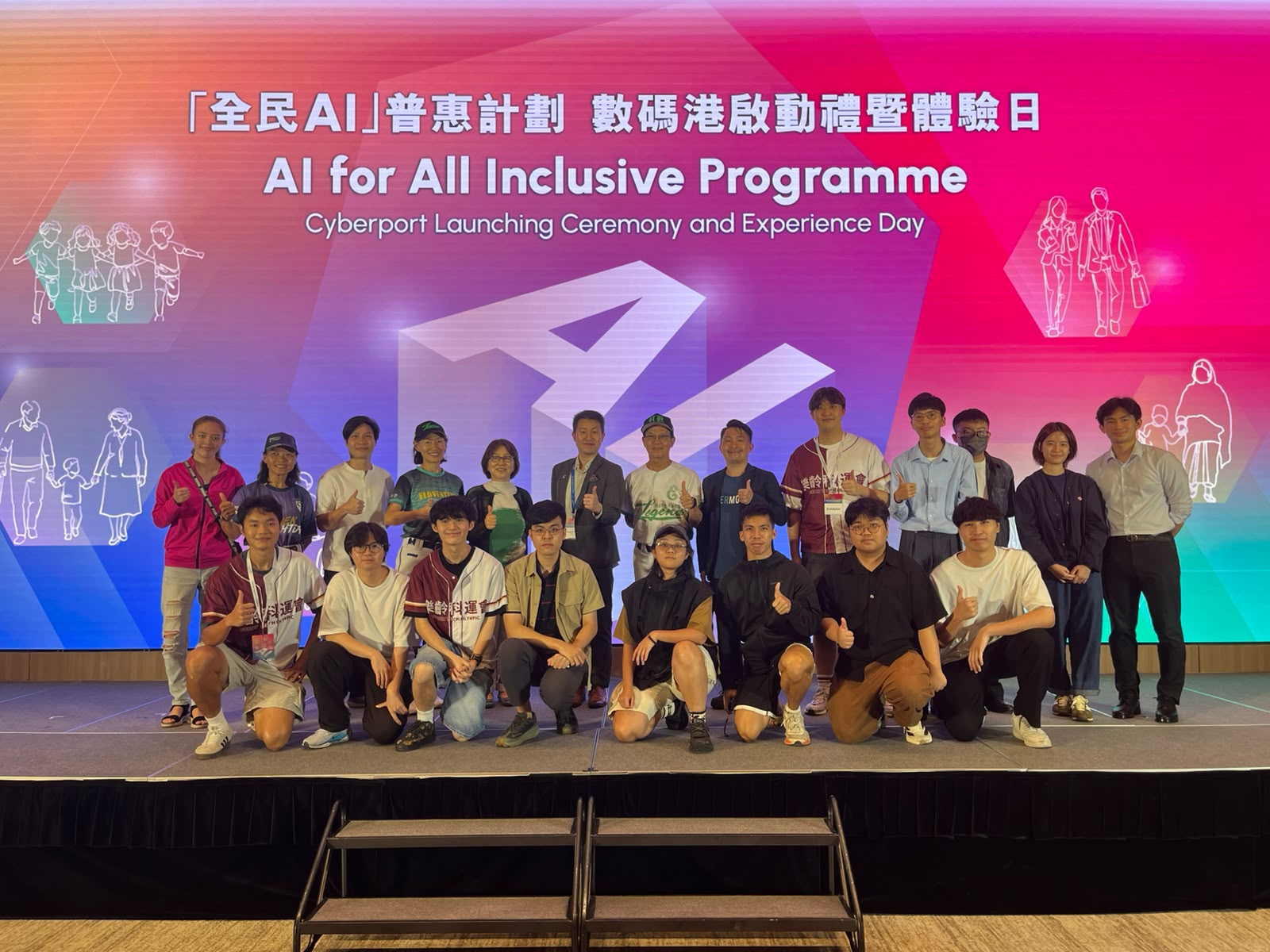
Built from the ground up for the realities of learning, rehabilitation, and care.
Research is the key
Every interactive platform is designed as a measurable intervention, grounded in psychological and clinical validation rather than entertainment alone.
Innovation with conscience
AESIR channels technological progress back into accessible tools and systemic relief for communities with fewer resources.
Impact Architecture
SEN Systems
SEN users supported
Motion, AR, and VR activities support literacy, attention, coordination, and social adaptability through repeatable intervention loops.
Active Aging
seniors supported
Elderly fitness and fall-prevention experiences help frontline teams observe confidence, balance, response, and mobility.
Impact Analytics
training data points
AESIR translates frontline learning and rehabilitation activity into measurable indicators of reach, engagement, and outcomes.
Impact Analytics Layer
AESIR tracks reach, SEN engagement, elderly service deployment, training participation, and observable progress signals across its care technology ecosystem.
Reach
0+Annual Lives Reached
SEN
0+SEN Users Supported
Aging
0+Seniors Supported
Network
0SEN Service NGO Partners
Network
0Elderly Service NGO Partners
Data
0+Training Data Points Captured
Progress
0%+Students Demonstrating Measurable Progress via Gamified Learning
Behavior
0%+Behavioral and Social Adaptability Improvement
The AI Agent Ecosystem
Each session connects assessment, environmental adjustment, and actionable feedback so practitioners can make better-informed care decisions without interrupting the experience.
Real-time assessment
Dynamic environmental adjustment
Continuous data-driven feedback
Real-time calibration matches challenge thresholds to each learner's capability, helping sessions remain achievable and meaningful.
Computer vision captures joint angles, motor skills, and contextual movement signals in the same training moment.
Raw activity signals become visual progress reports that help educators and clinicians interpret each session.
Longitudinal cognitive and motor patterns support earlier visibility into developmental milestones and changing care needs.
Operating Foundation
01Clinically validated cognitive and motor frameworks
02Proprietary computer vision and AI agent model infrastructure
03NGO, school, and clinical data integration
Target Status
SEN learners often need higher repetition, clearer feedback, and stronger motivation than traditional worksheet-based or one-way training can provide.
Learning Need
Support literacy, pronunciation, attention, executive function, motor coordination, and social adaptability through multi-sensory practice.
Field Context
Used across schools, NGOs, learning centres, and family-facing intervention settings where engagement and repeatability are critical.
Product Response
Motion sensing, AR, VR, and adaptive game mechanics provide immediate feedback while capturing usable training signals.
Older adults benefit from safe, low-impact, repeatable rehabilitation formats that make movement practice more engaging and easier for staff to observe.
Care Need
Support balance, reaction, mobility, confidence, and fall-risk awareness through guided activity that reduces fear of movement.
Field Context
Applied in elderly service NGOs, day-care centres, community settings, and home-like care environments with frontline facilitation.
Product Response
VR and motion-sensing experiences turn rehabilitation into guided scenarios with observable posture, comfort, and response data.
Product Impact Modules
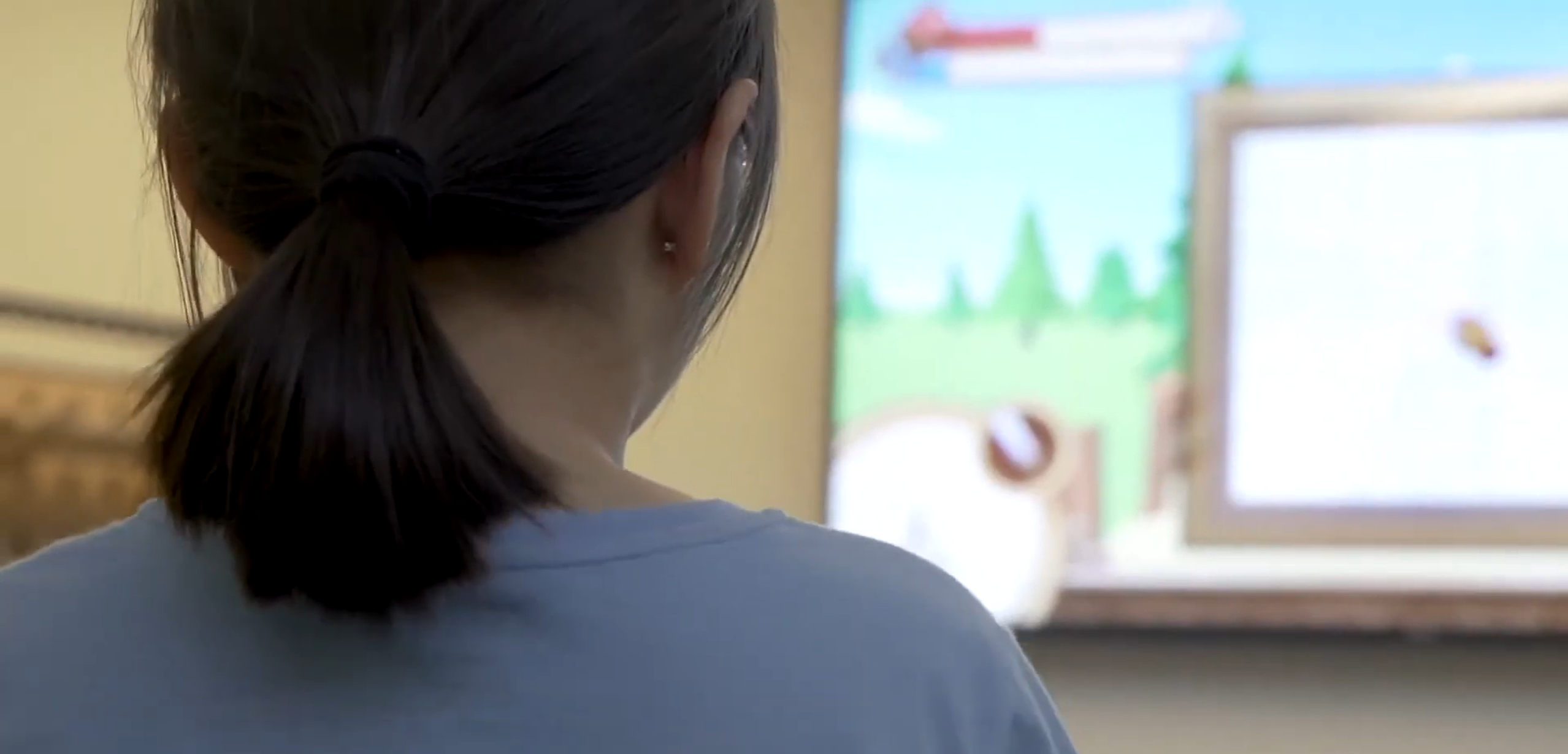
SEN-01 | Literacy Engine
Motion-sensing games support handwriting, spatial awareness, character recognition, and sustained practice through body movement and instant visual feedback.
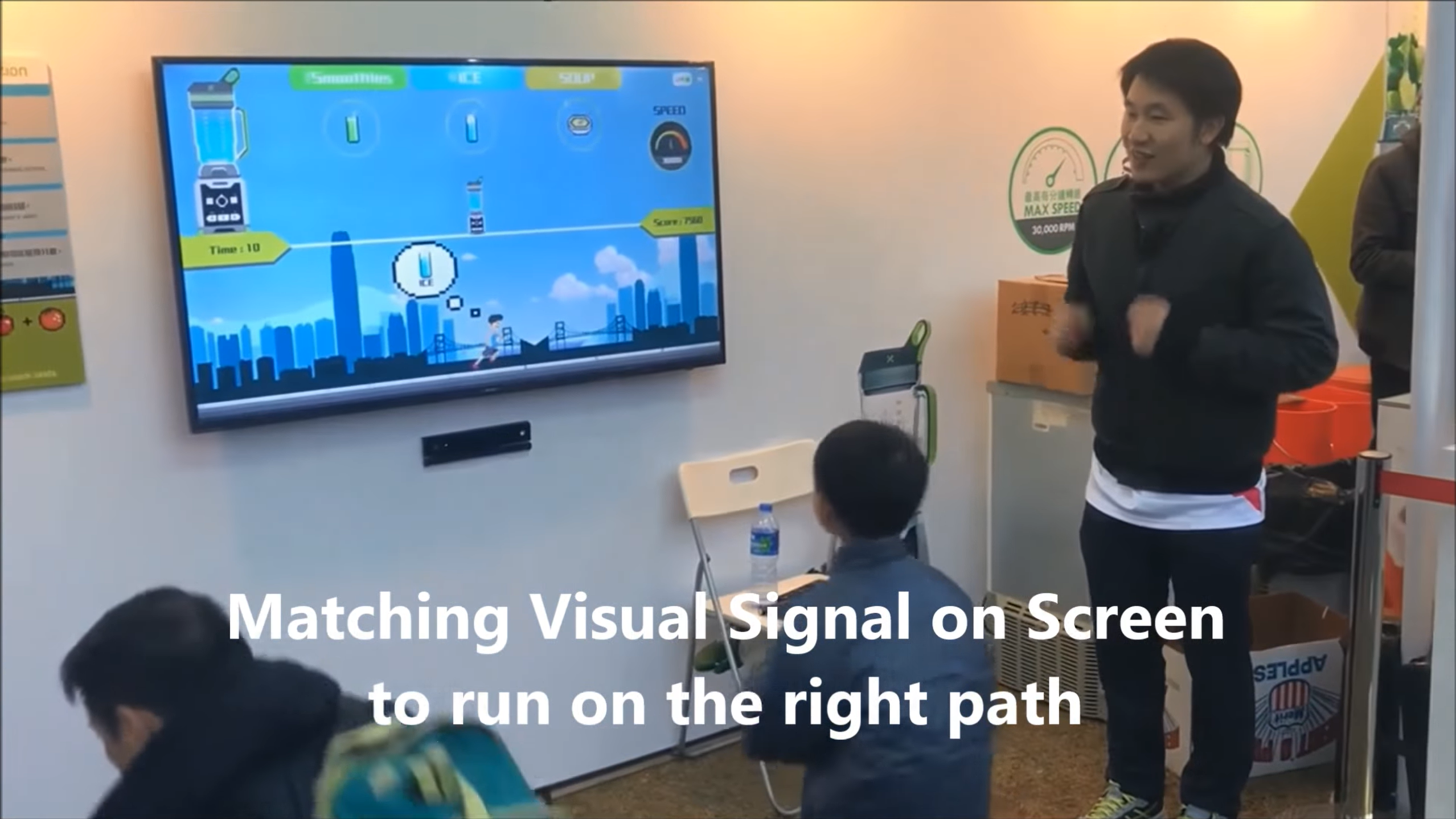
SEN-02 | Motor Layer
Interactive training supports fine motor control, coordination, reaction, and hand-eye integration for students who need repeated, structured practice.
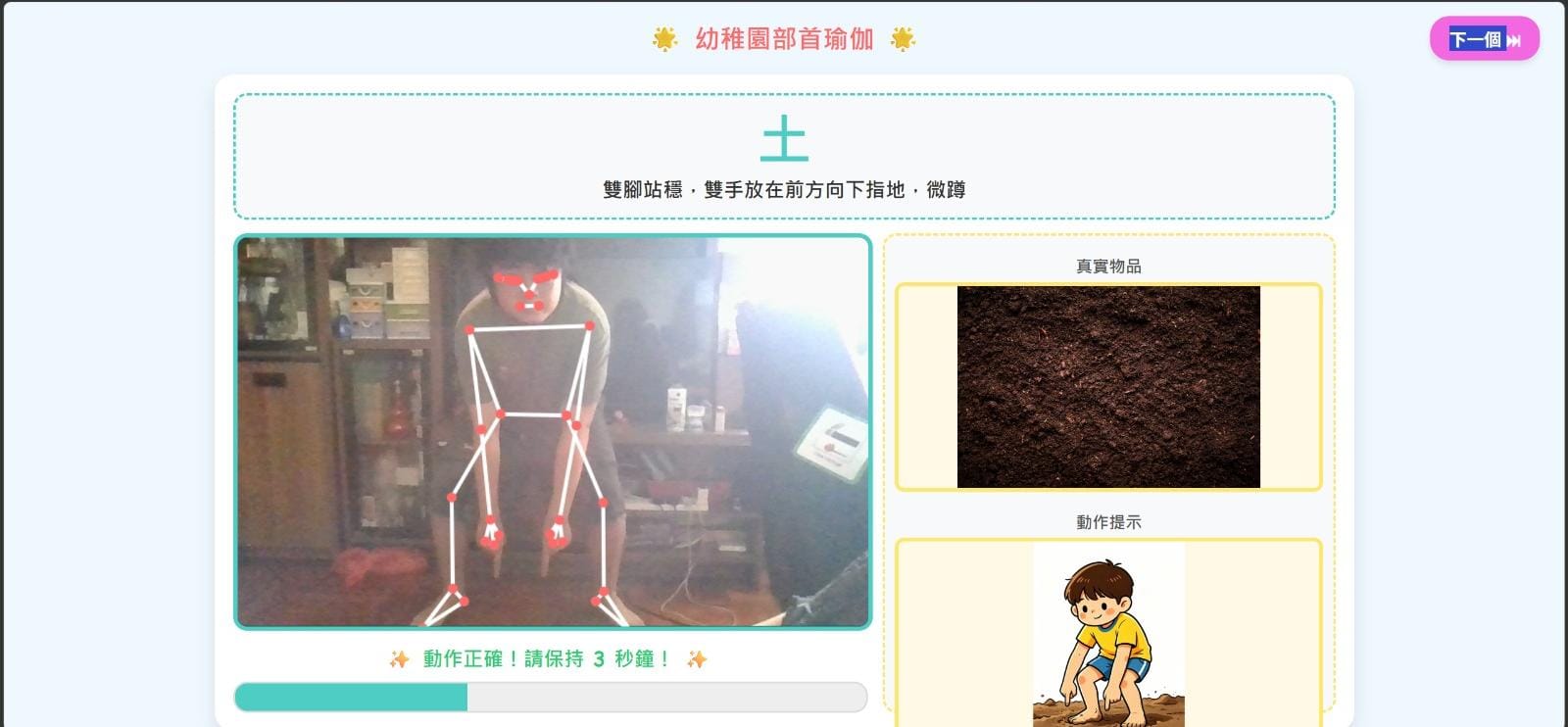
SEN-03 | Body Literacy
Movement-based learning connects Chinese phonetics, body action, and memory into one active experience for language acquisition and participation.
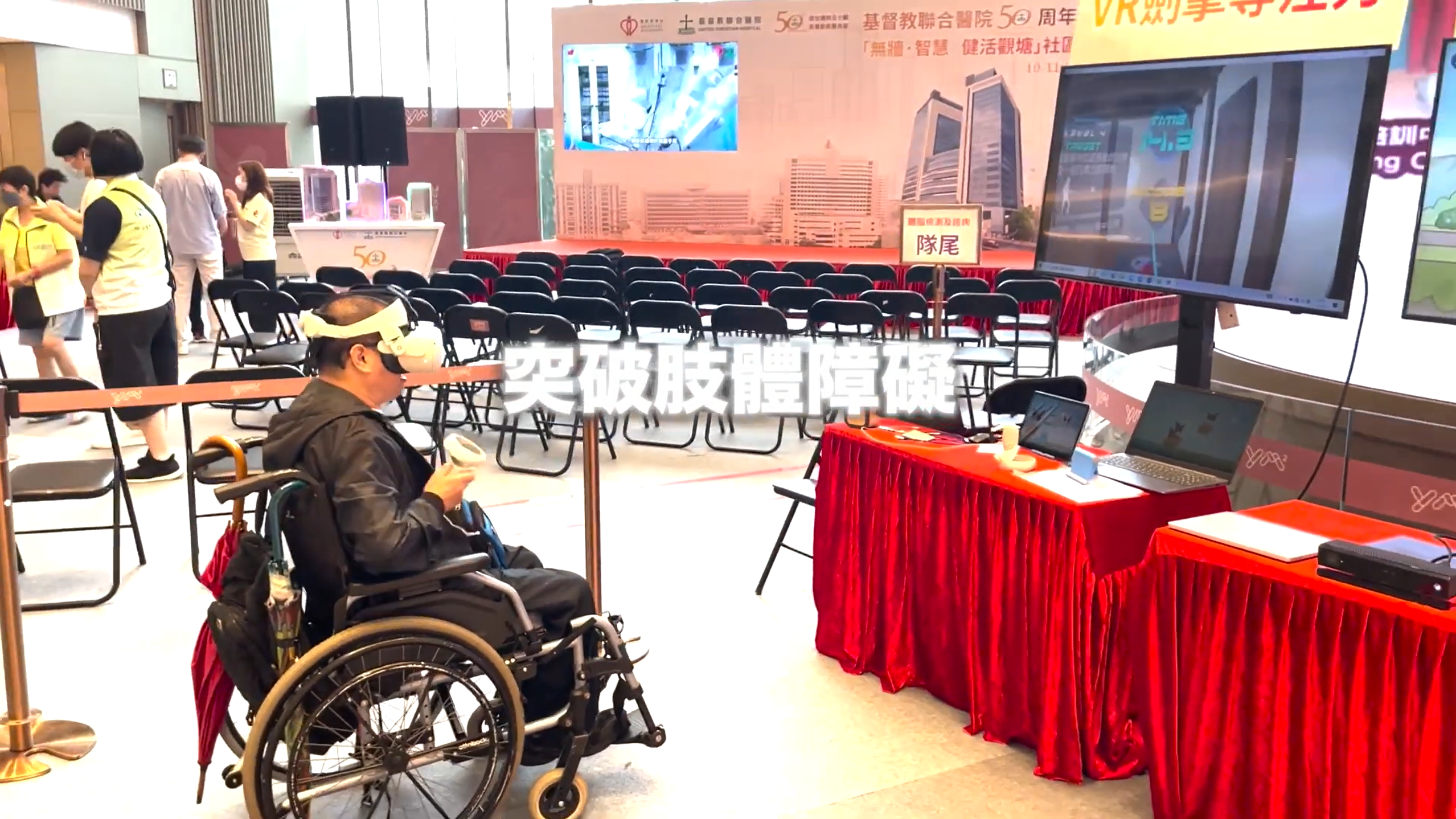
AGE-01 | Mobility Layer
Motion-based exercises support balance, coordination, mobility, and confidence through repeatable routines that can be used in centres and care homes.
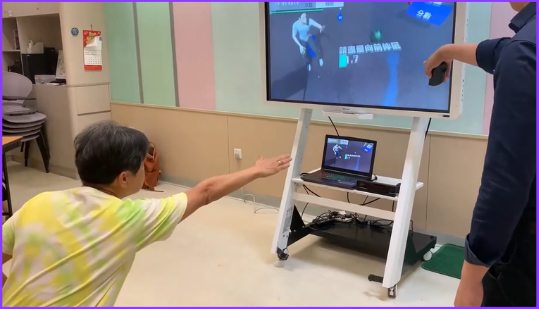
AGE-02 | Risk Simulation
Immersive balance training creates safer practice environments for movement control, confidence building, and fall-risk exposure without high-impact physical strain.
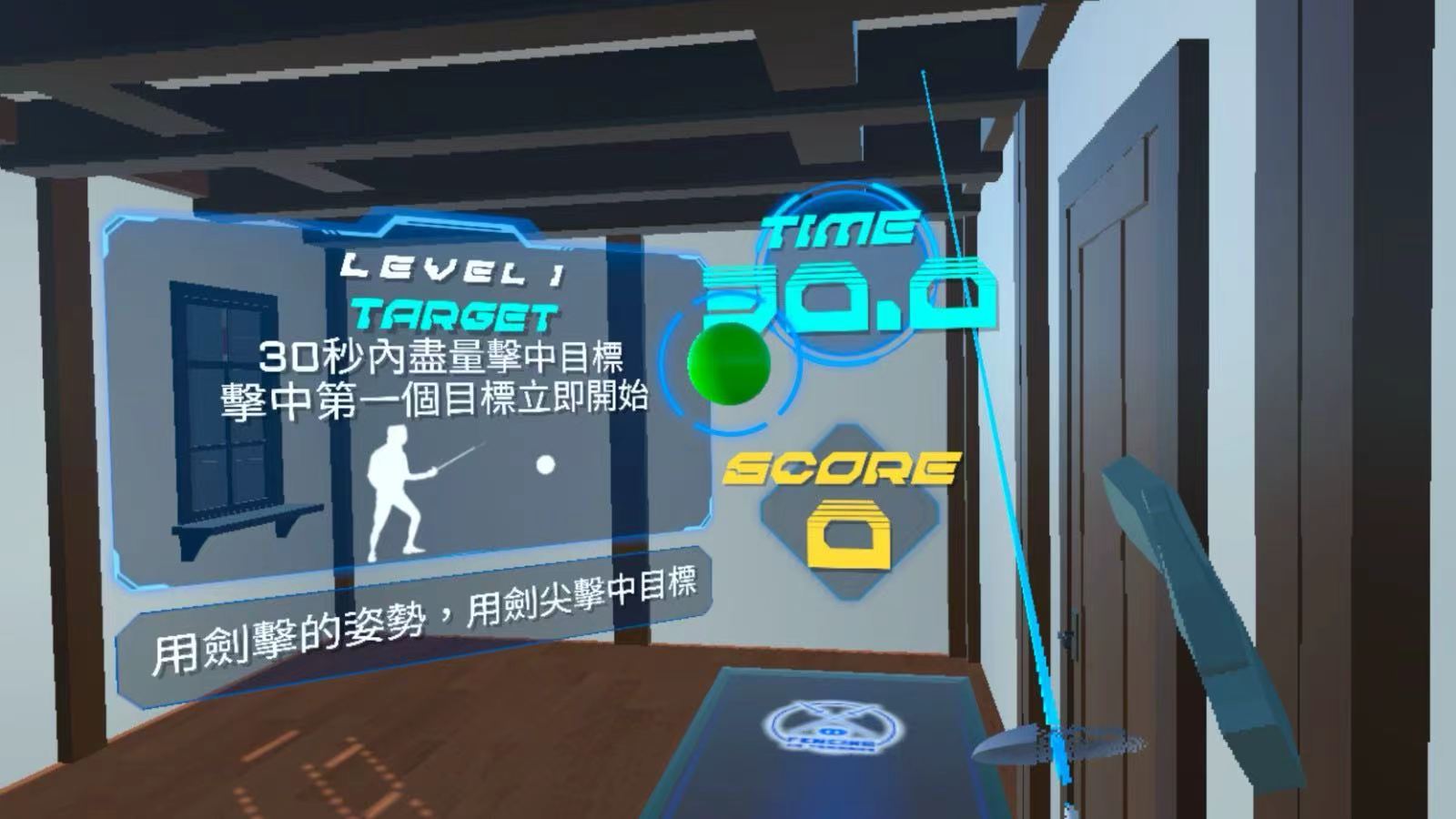
SPORT-01 | Immersive Training
AR, VR, and motion sensing extend physical training beyond conventional spaces, turning reaction, participation, and coaching feedback into measurable activity.
Category 01
Care Condition
Students with autism, ADHD, dyslexia, developmental coordination differences, and executive-function needs can require personalised, repeatable practice across movement, language, attention, and social participation.
AESIR Response
Multi-sensory games and assistive technology translate structured training into accessible practice loops with immediate feedback.
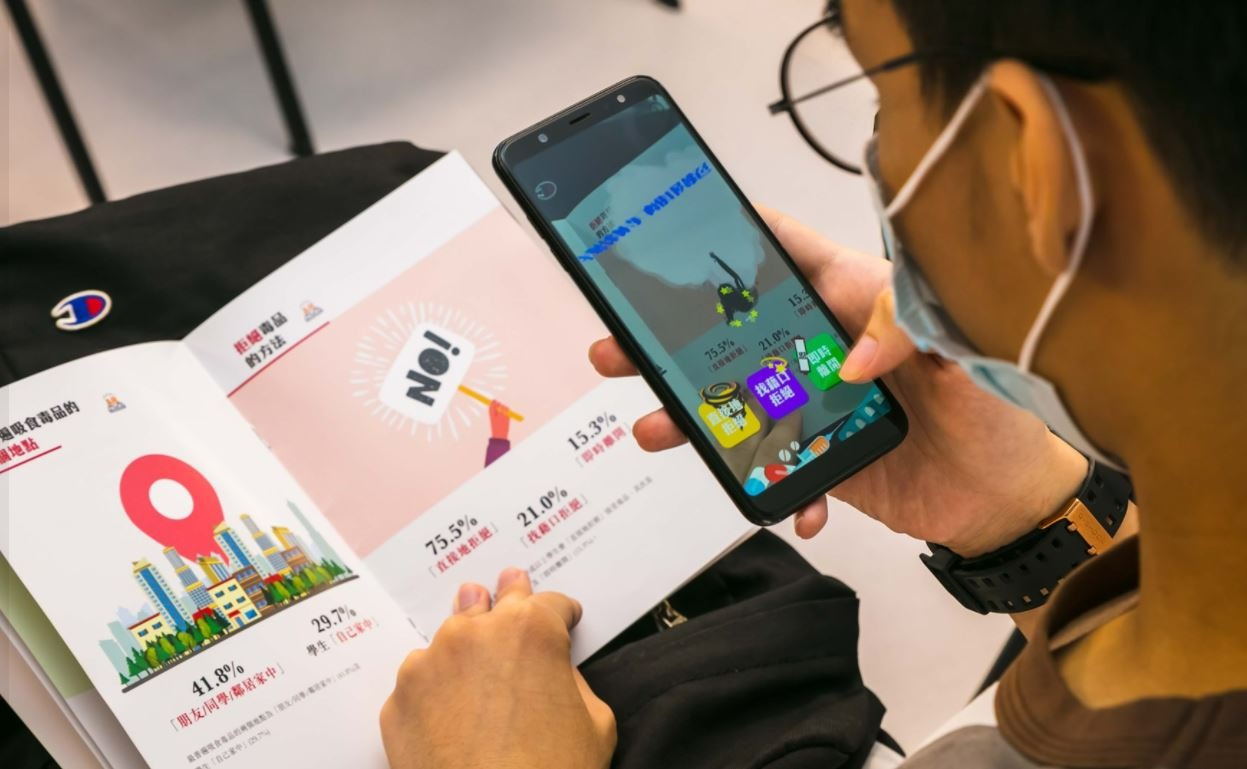 FIELD DEPLOYMENT / 01
A motion-sensing desktop suite that uses a wireless mouse as a magic wand for character drawing, radical recognition, and spatial-awareness training.
Light Spot, Neuro Pulse, and Cognigrid combine physical play with memory, sensory regulation, spatial reasoning, and precise finger manipulation.
Mobile applications for finger isolation, hand strength, gripping, and touchscreen-based pinching and dragging exercises.
A movement-based literacy experience that connects body action, visual cues, and auditory feedback to Chinese characters.
Immersive and eye-tracking tools for emotional regulation, cognitive flexibility, visual attention, reaction inhibition, and objective progress reporting.
A narrative-led mobile app that supports all nine core executive functions through continuous, game-based assessment.
Category 02
Care Condition
Older adults can face muscle loss, reduced balance, fall risk, lower confidence, and the difficulty of sustaining conventional physiotherapy routines.
AESIR Response
Motion-sensing and VR experiences create safe, repeatable rehabilitation activities that make movement visible, engaging, and easier for care teams to guide.
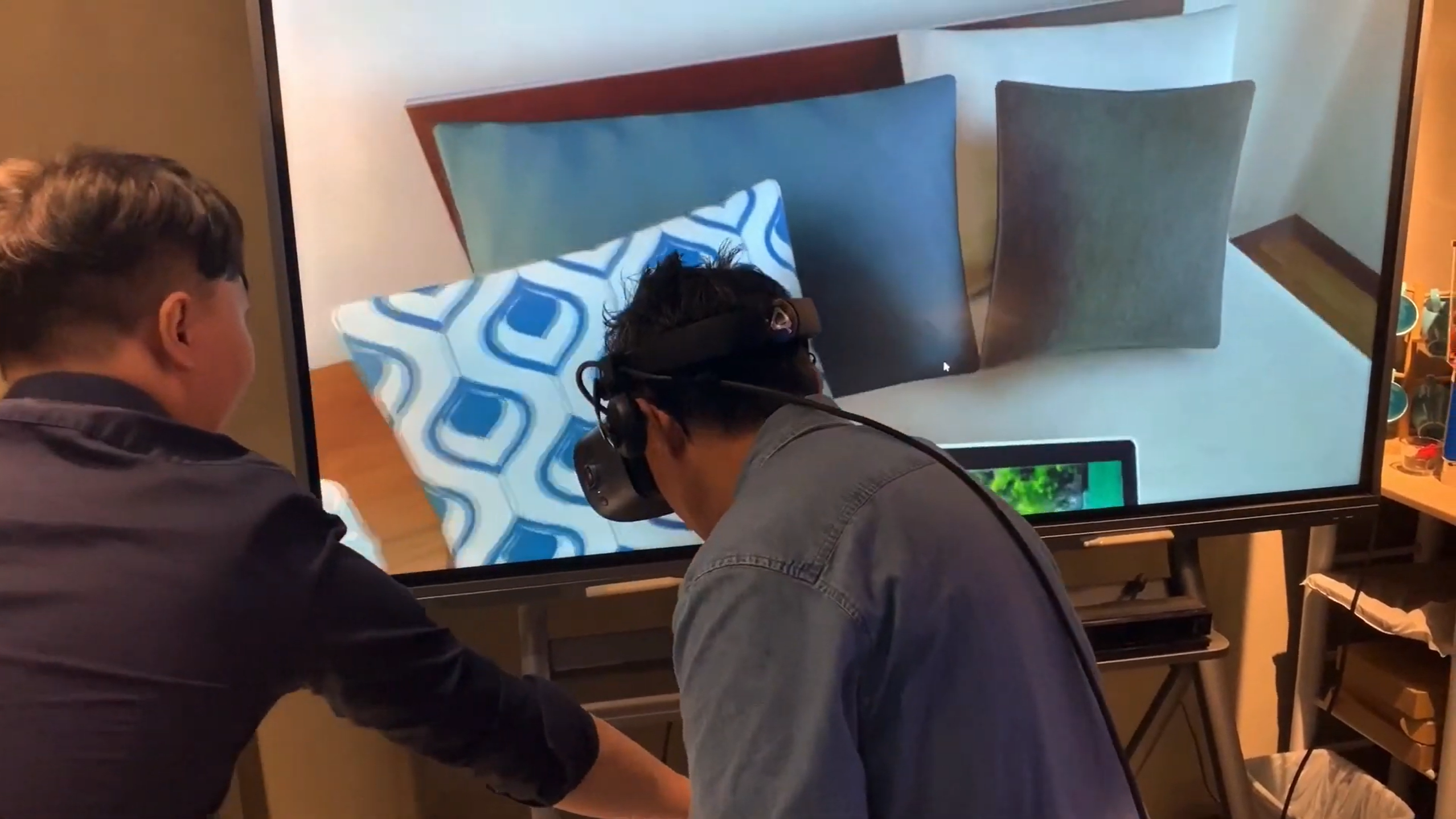 FIELD DEPLOYMENT / 02
Kinect-enabled movement games for stepping, stretching, and sit-to-stand practice in supported community and care settings.
An immersive virtual programme that trains balance, mobility, spatial awareness, and confident movement in a controlled setting.
Category 03
Care Condition
Many children and young adults need a more approachable route into sustained physical activity, especially when conventional sport feels intimidating or inaccessible.
AESIR Response
AR, VR, and motion-sensing sports combine physical exertion with game structure, coaching signals, and an engaging sense of progression.
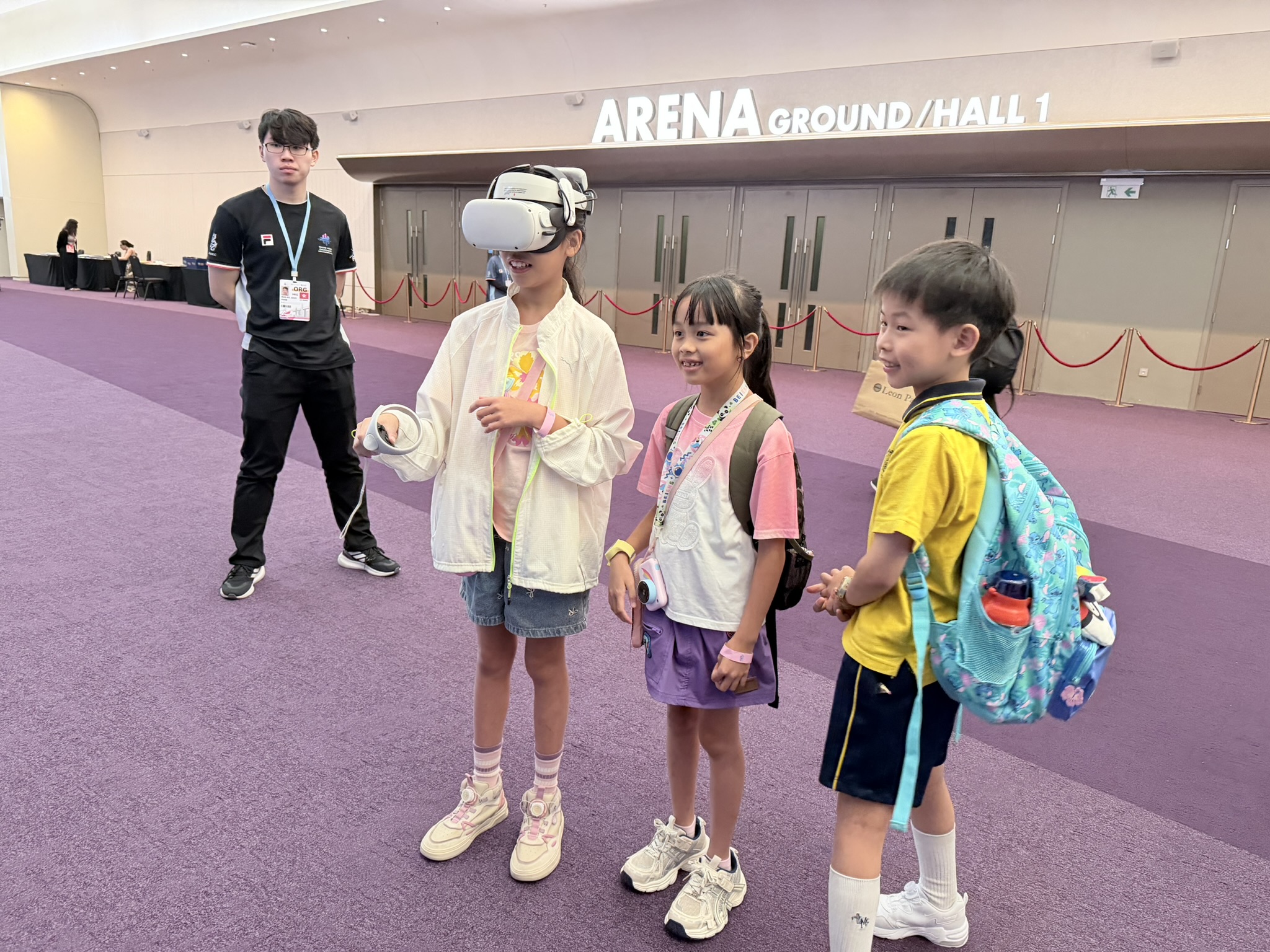 FIELD DEPLOYMENT / 03
Interactive AR and motion-sensing football games including goal, running, penalty, striker, and goalkeeper challenges.
Three motion-sensing experiences that teach martial-arts fundamentals through whole-body kicks and punches.
Immersive sports including badminton, pickleball, tennis, golf, and fencing for full-body movement and skill development.
Validated in the Field
AESIR's model is built with universities, research professionals, frontline NGOs, schools, rehabilitation centres, and elderly-care facilities. Its impact is measured through reach, repeatable practice, and the quality of collaboration around each deployment.
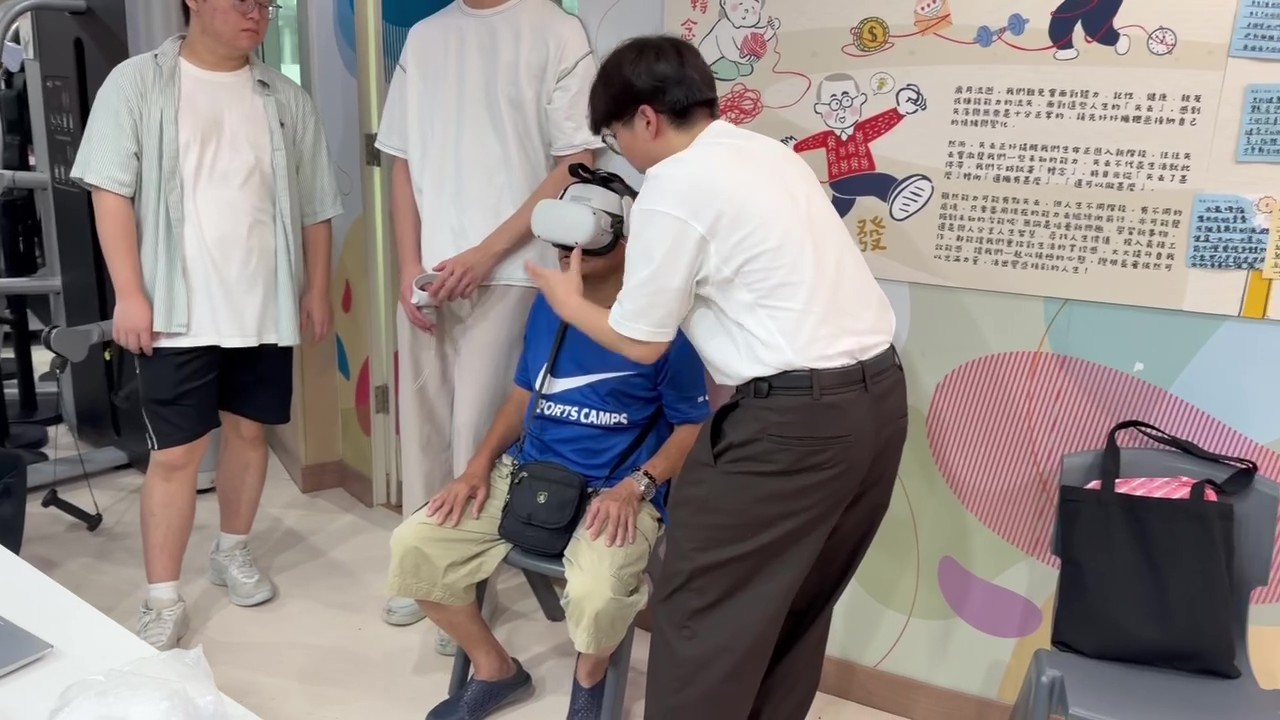
Care technology is only effective when it strengthens the people and organisations around each participant.
Founded in Hong Kong
Cumulative individuals served
NGO partners across SEN and elderly care
01University and research collaboration
02Special schools and learning centres
03NGO rehabilitation services
04Elderly-care facilities and frontline teams
2026 Roadmap
The next chapter moves beyond measuring a completed session toward earlier insight and more inclusive access to technology-enabled care.
01
Advance from real-time behavioural tracking to earlier visibility into developmental trajectories and cognitive or motor decline, while reducing administrative burden for care teams.
02
Extend clinical validation and inclusive technology access through schools, rehabilitation centres, NGOs, and international research partnerships.
Direction of Travel
Measure what matters. Anticipate what is next. Keep technology accessible to the communities it is built to serve.
Next System State
Build an ecosystem where every session can teach, measure, adapt, and improve the next intervention.
The Architecture of Social Innovation
The convergence of science and play.
We do not build games to entertain. We engineer immersive, clinically validated ecosystems that turn repetitive therapeutic exercises into cognitive and motor milestones.
The Friction
Conventional rehabilitation and special-education programmes can be repetitive, hard to sustain, and difficult to personalise. That friction can reduce confidence, participation, and continuity of care.
The Response
AESIR combines evidence-based cognitive-behavioural principles, sensory-motor integration, and neural plasticity with gamified environments. The result is a safer, engaging practice loop that encourages people to play, learn, and heal.